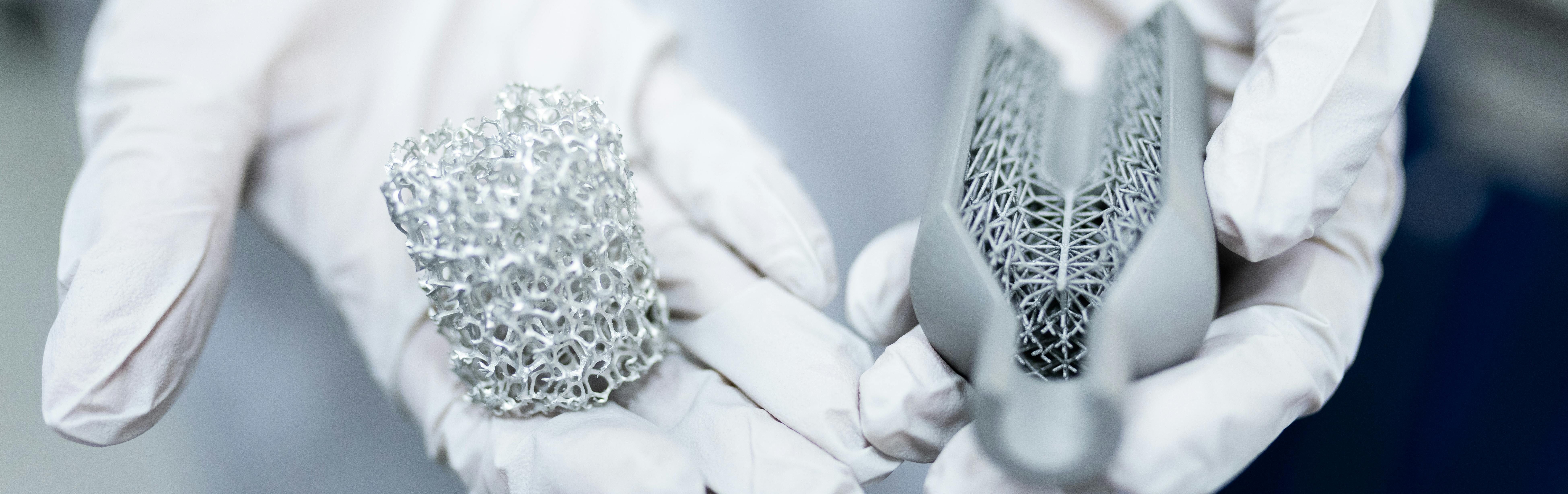
The study of materials, like metals, glass, plastic, and more, combining chemistry, physics, and engineering. By understanding how the processing and structure of a material affects its properties, material scientists improve and invent materials to solve real-world problems across industries.
Median annual salary
$0
People employed U.S.
0
Job growth score (out of 100)
0
What would you do?
Research in laboratories to make new or better materials
Model and simulate materials on computers
Analyze data with machine learning
Write and presenting findings on new materials
Test materials in real world scenarios
Relationship toclimate change
Better materials are the key to unlimited renewable energy, sustainable buildings, and more
To fight climate change, materials scientists…
Make materials work better
• Convert and store more electricity with solar cells and batteries
• Create longer-lasting materials for fashion, buildings, or energy solutions
• Reflect heat better with windows
• Create lighter and stronger materials to save on transportation emissions
Use less emissions in manufacturing
• Produce steel or electronics using less energy
• Invent new techniques or materials to create concrete without using carbon
Reduce waste
• Design self-healing systems to make technologies last longer
• Create biodegradable consumer products
Capture carbon emissions
• Absorb pollutants with filters
• Design everyday materials to capture carbon from the air
Use materials science for these climate change solutions…
Jennifer Dionne is an award-winning Professor of Materials Science at Stanford University. She has pioneered nanophotonics and is designing light-driven nanoparticle catalysts for environmental chemical manufacturing. She also uses Materials Science to look at proteins and for quantum communication. Outside of materials science, she enjoys long distance running and exploring new cultures.
GetStarted
Materials science is a great fit if you’re interested in chemistry and physics, problem solving, understanding how materials work, and new technologies. Explore classes and project ideas to get started:
Recommended classes
High school:
Chemistry (H)
AP Chemistry
Physics (H)
AP Physics 1/2
AP Physics C
Geometry
Precalc/Trigonometry
Calculus
AP Seminar (helpful)
AP Research (helpful)
Electronics (helpful)
Intro to Engineering (helpful)
Project ideas
Explore how solutions absorb carbon dioxide
Test how recycled materials can replace conventional materials
Create simple biodegradable plastics
Experiment with tools like MATLAB to simulate materials
Model the efficiency of solar panels under different conditions
Use machine learning to estimate battery degradation
Learn more from interviewing experts