
Climate Progress Center
A magnifying glass over charts
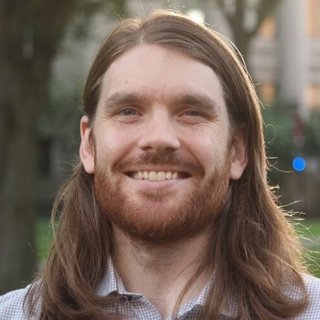
Daniel Cusworth

Expert insight · Data Science

Daniel Cusworth

Director of Science, Carbon Mapper

Daniel Cusworth is the Director of Science at Carbon Mapper, a nonprofit that makes carbon dioxide and methane data accessible. He uses data science to analyze satellite data and find greenhouse gas hotspots. Outside of tracking emissions, he loves watching baseball and movies.

Check out theData Science page →

Top insights from our conversation

The top insights we took away from an exclusive conversation with Dr. Cusworth.

01

Data science is extremely versatile

Daniel Cusworth grew up in awe of the weather. He majored in meteorology at UCLA, but found his purpose after taking classes on air pollution and the climate. He was excited to bring technical expertise to climate change: “I just kept wanting to explore that.”

“Data science [could mean] anywhere in climate.” Dr. Cusworth chose methane because of its potential for short-term impact. Methane leaves the atmosphere far faster than carbon dioxide, so eliminating methane emissions could create a “massive climate benefit” within ten years. Today Carbon Mapper pinpoints methane emission hotspots.

“Making informed decisions with data is absolutely… a critical component of this.”

Any solution needs numbers and evidence to be developed, deployed and succeed. Data science goes “that extra layer deeper to provide contextual information about what we’re doing,” and provides the evidence many climate solutions need to get people to “buy in.”

02

Climate change can’t be solved with only data science

“Data science equips you with tools, but data science itself is not going to solve these [climate] problems,” said Dr. Cusworth. A great way to level up is to pair “domain understanding of what’s going on… with the data science.”

One of the worst-case scenarios is doing great work analyzing data that no one uses. Understanding a specific field helps make sure your data is actually useful for fighting climate change.

03

It’s not just data: building great relationships is essential

Data shows where the problems are and how to solve them, but ultimately you need “someone going out and fixing something.” That’s where strong relationships with the right people come in.

Carbon Mapper’s goal is to get methane data into the hands of people on the ground who will reduce those emissions. “It’s about building that relationship” with the “drivers of action.”

“That moves the needle.”
Bonus advice

Just start. “Don’t wait for someone to give you permission to start on something.” Besides learning technical skills, explore the landscape of climate solutions to find where you could make an impact.

“You don’t have to have your trajectory… where you think you fit in the climate ecosystem before you start,” Dr. Cusworth said. “It’s really about finding a door that might be open… an opportunity to contribute somewhere, and taking advantage of that opportunity.” “You’ll be able to do a lot of good work.”

Written by Aiden Miao and Agastya Parikh

“Don’t wait for someone to give you permission to start on something.”

More expert insights

Kristen AverytKristen Averyton Environmental ScienceRead the insights → Jennifer DionneJennifer Dionneon Materials ScienceRead the insights →
Meet all of our experts →